Bedbugs
GENERAL INFORMATION
According to the type of damage caused, these species belong to the group of herbivorous bugs that prefer to feed on the juices of young growing vegetative and generative parts of plants, including growing and ripening fruits.
This type of feeding causes wilting and necrosis of leaf areas above the site of damage, death of shoot tips, and death of buds
This type of feeding causes wilting and necrosis of leaf areas above the site of damage, death of shoot tips, and death of buds
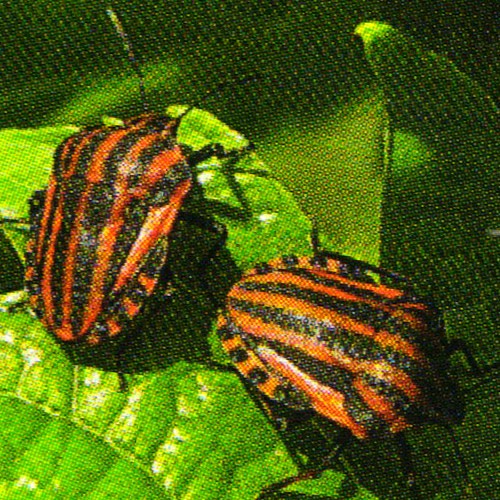
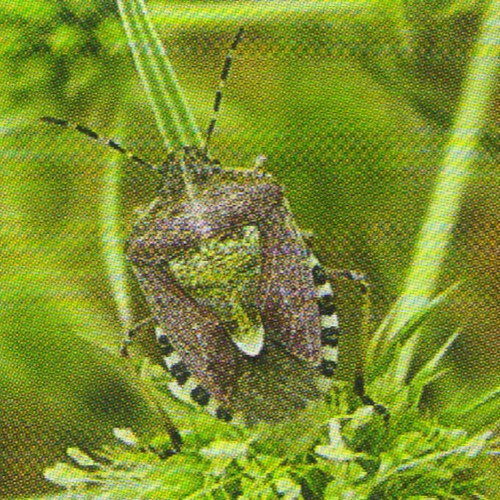
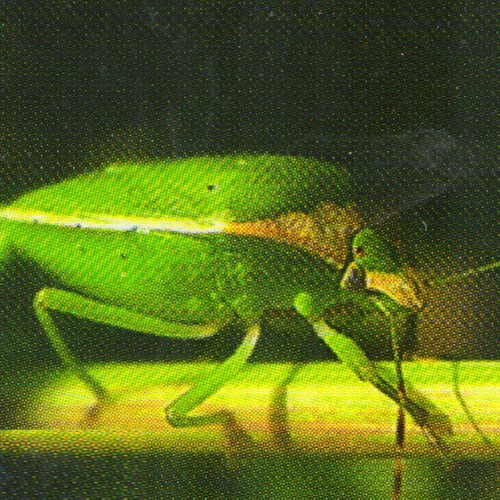
photo from the internet
DIAGNOSTICS
The head of bedbugs has a long proboscis located in its front part. The elytra are leathery, membranous in the apical part, flat on the dorsal part of the body.
The legs are usually walking or running. The larvae of bedbugs are similar to adult insects in the general structure of the body and limbs, but lack wings and often have a more complex and bright color.
On the abdominal surface, they have 1-3 pairs of openings of scent glands.
In their development, the larvae go through five instars, which are combined into three groups: Junior, which lacks the rudiments of wings, Middle - with barely emerging wings, Senior - with well-developed wing covers.
The legs are usually walking or running. The larvae of bedbugs are similar to adult insects in the general structure of the body and limbs, but lack wings and often have a more complex and bright color.
On the abdominal surface, they have 1-3 pairs of openings of scent glands.
In their development, the larvae go through five instars, which are combined into three groups: Junior, which lacks the rudiments of wings, Middle - with barely emerging wings, Senior - with well-developed wing covers.
CONTROL THE
NUMBER OF
NUMBER OF
To prevent the mass development of herbivorous bugs, it is necessary to ensure effective protection of grape plots from weeds.
In the event of a focus of mass development of bugs, in the morning hours it is necessary to carry out local chemical treatment of vegetation, especially in the second half of the growing season (more effective for young larvae of pests).
One of the insecticides, for example: Voliam Flexi SK, Karate, Zeon.
In the event of a focus of mass development of bugs, in the morning hours it is necessary to carry out local chemical treatment of vegetation, especially in the second half of the growing season (more effective for young larvae of pests).
One of the insecticides, for example: Voliam Flexi SK, Karate, Zeon.